How to: Advertisement Marketing Campaign For Beginners
I created a campaign for a specific product or service of my choice. The purpose of the campaign is to sell the product or service to an intended audience. After the campaign was created, I repurposed the advertisements for different uses and different layouts, but in the same campaign.
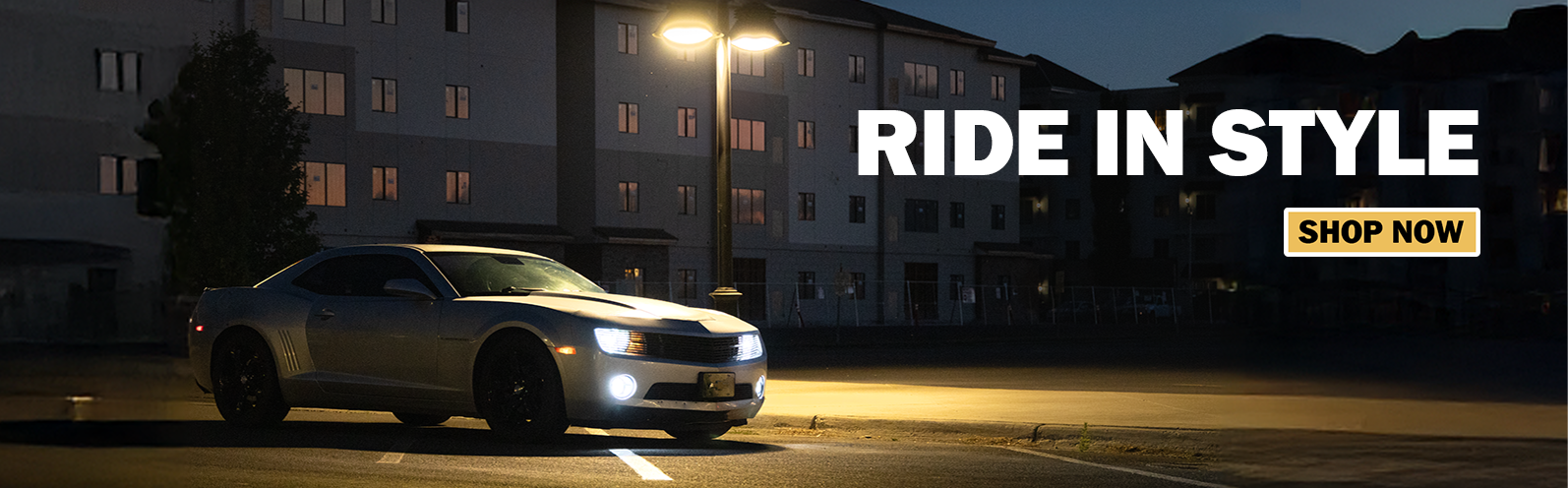
This campaign was created to increase awareness of older used cars that are still popular and ready to purchase. There are many Camaros that are now extra special because Chevrolet discontinued the model, but the vehicles are still available for purchase.
I included a call to action with my advertisements, encouraging others to visit a local dealership and purchase a Chevy. The campaign was also to combat others’ opinions that cars (Chevy Camaros) are less valuable and stylish when they get older, and that they should purchase used vehicles.
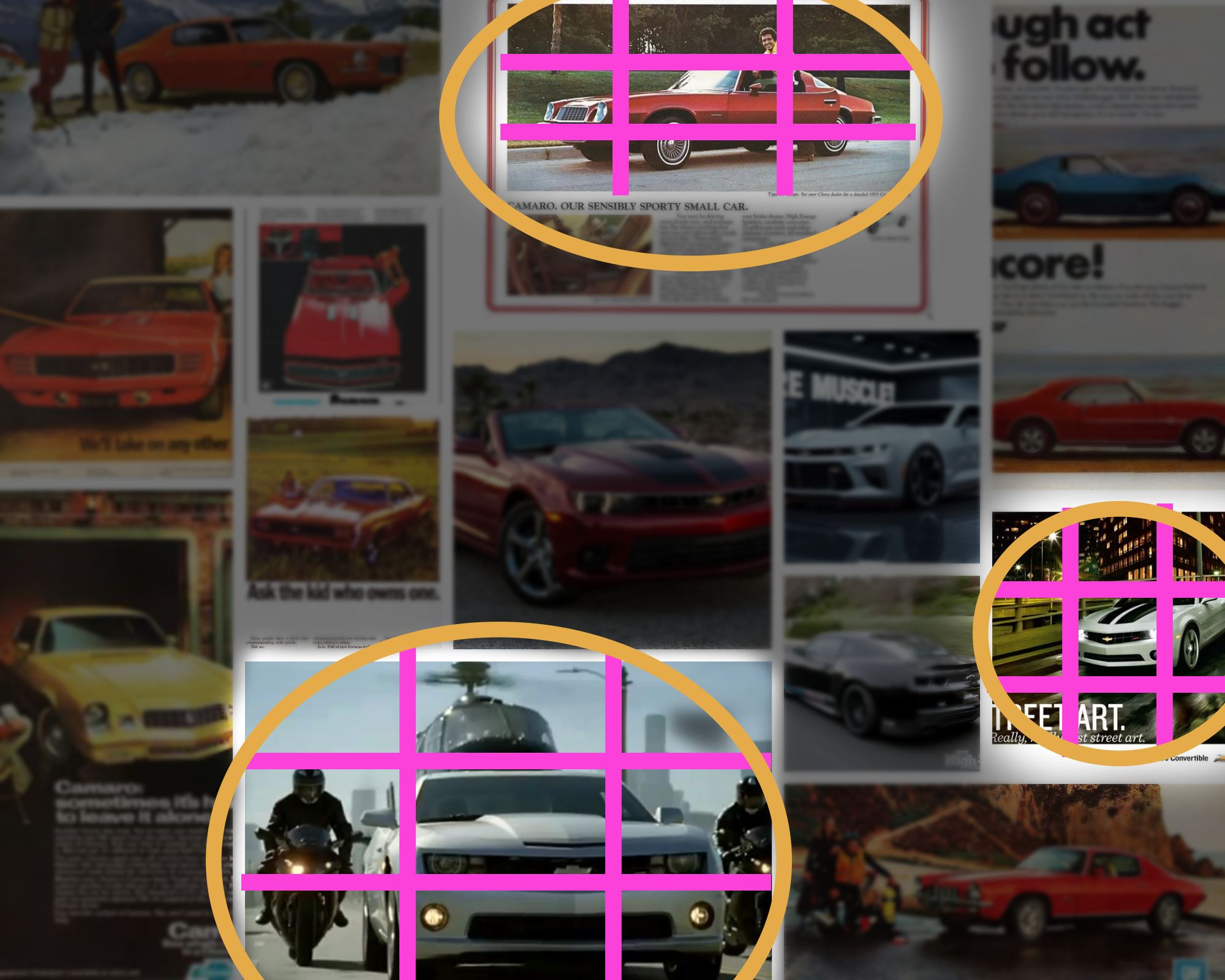
Mood Board
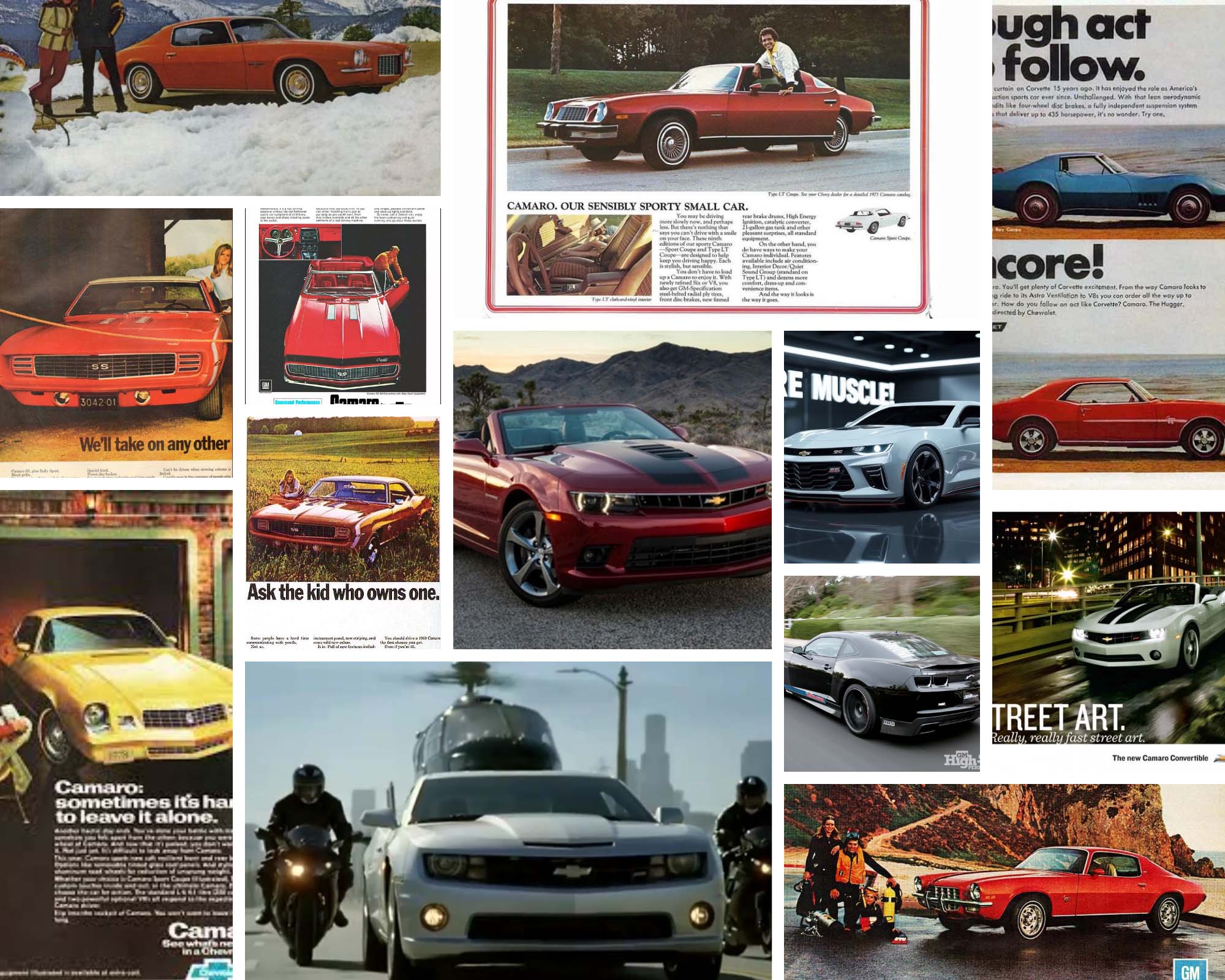
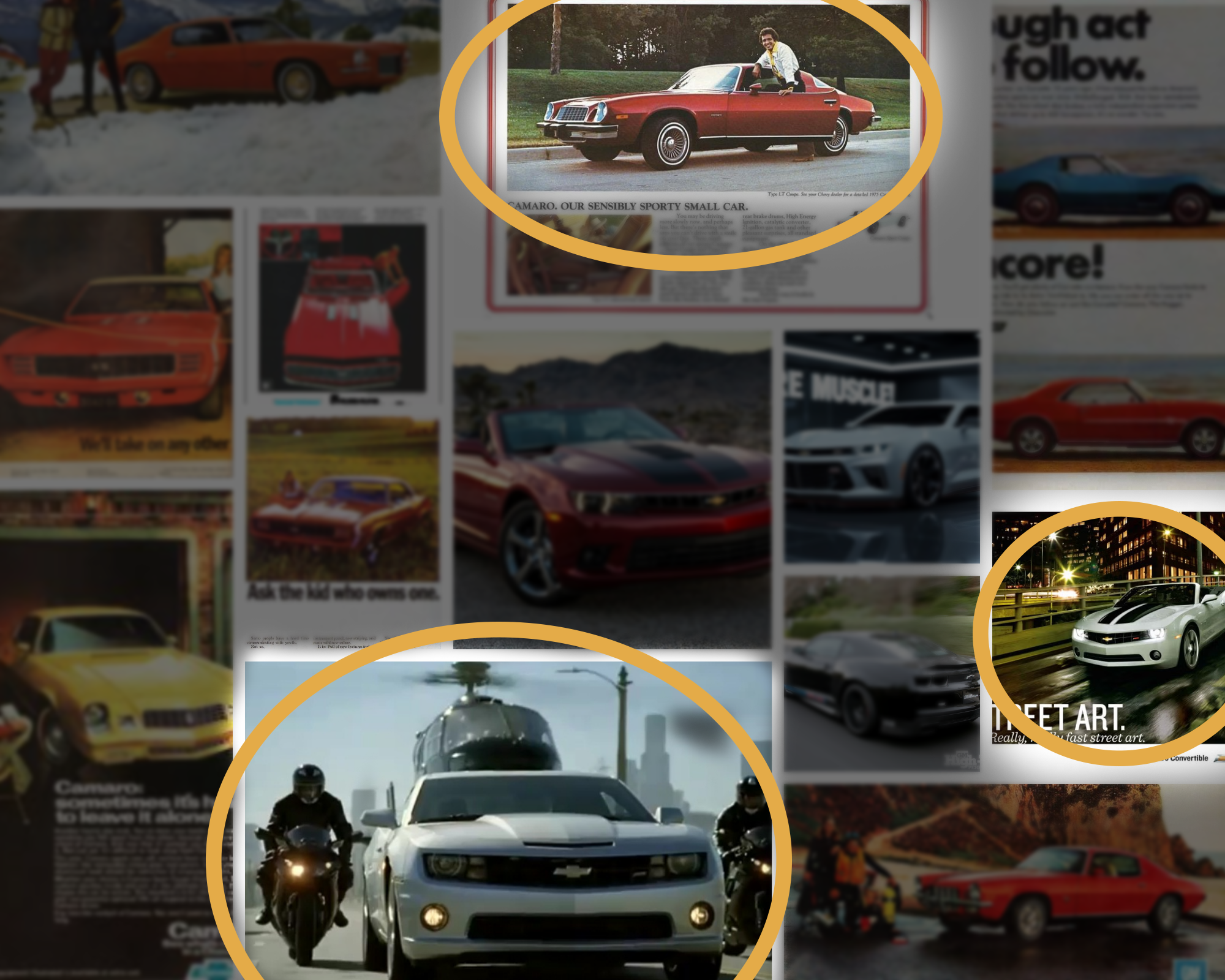
To stay on brand with a similar style to what Chevrolet has already done in their advertisements, I created a mood board or reference of advertisements they had done, and I liked.
This is the first step of the creative process, to establish a style and tone for the photoshoot.
.
.
.
.
.
..
.
.
.
.
.
.
.
.
.
.
.
.
.
.
.
.
.
.
.
.
.
.
.
.
.
.
.
.
.
.
.
.
.
.
.
.
.
.
.
.
.
..
.
.
.
.
.
.
.
.
Sketches and Test Photoshoot:
Loosely basing my ideas on this mood board, I took parts I liked from each and sketched out three potential photography shots I could take and how I might use the singular image in several croppings.
By sketching out my ideas beforehand, I can save time when it comes to the actual creation of the photo. It also allows me to set a tone and play around with how I could show off the product features. I also played with the singular image in a layout of 10 different uses for website and print design.
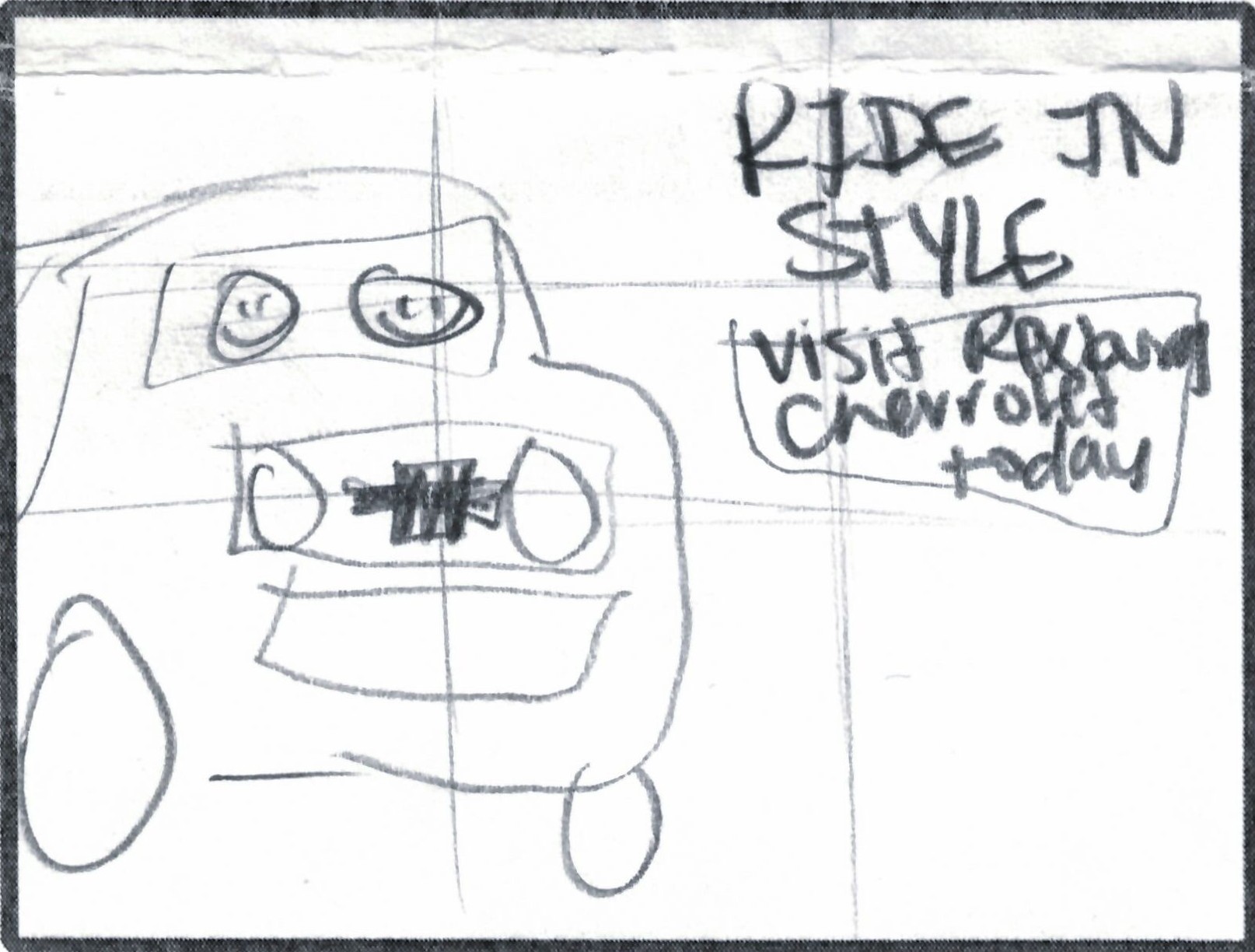
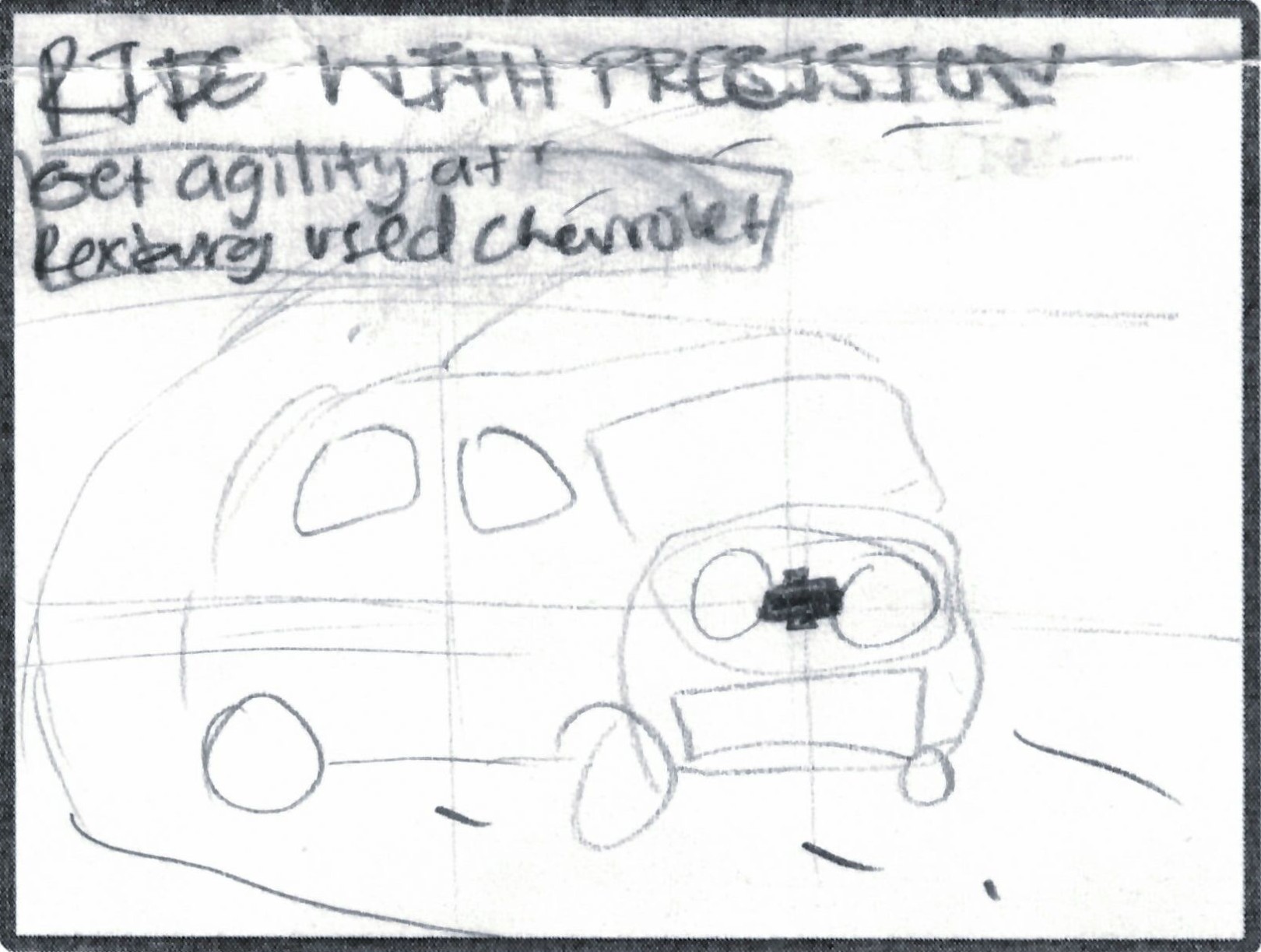
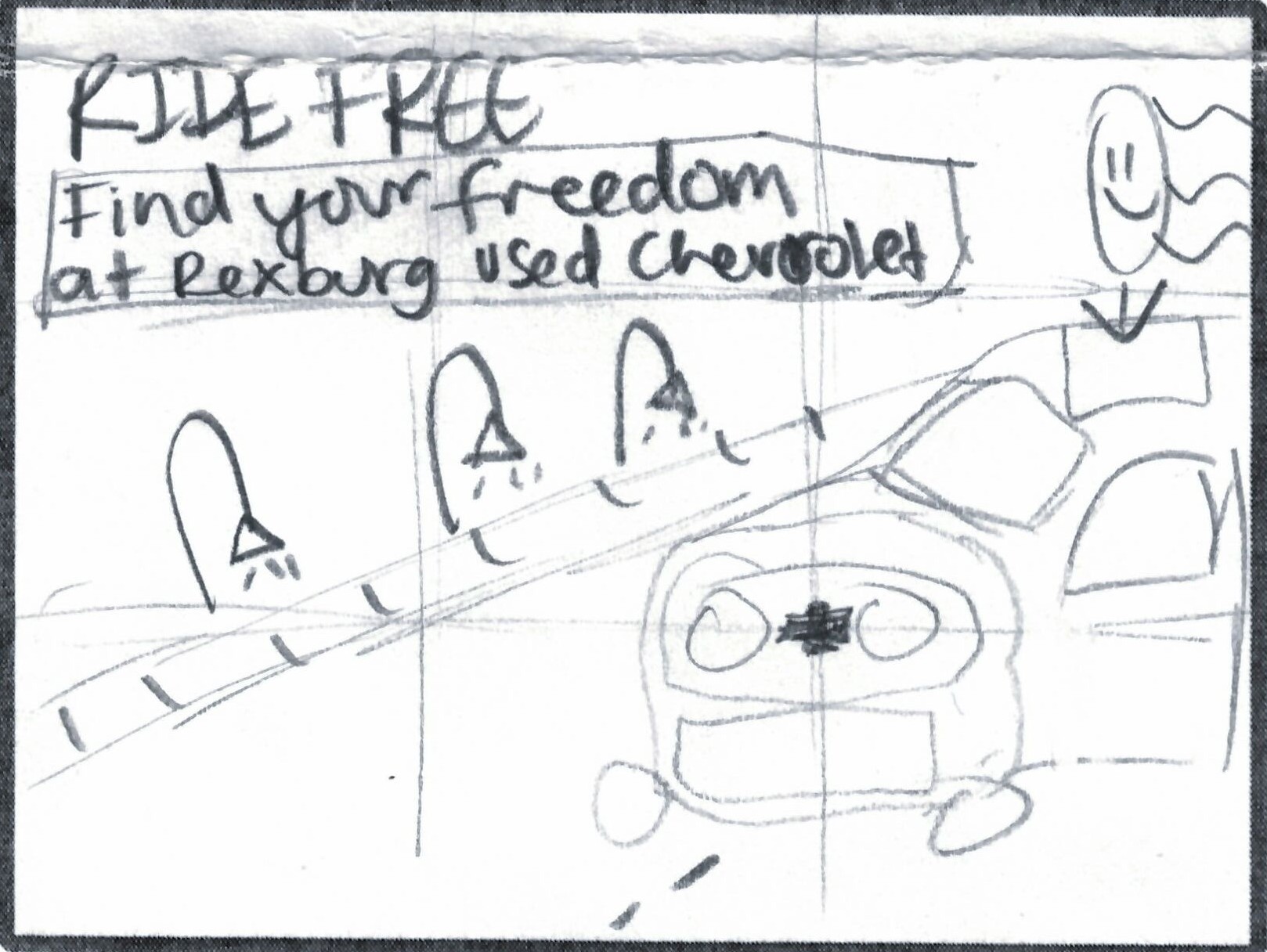
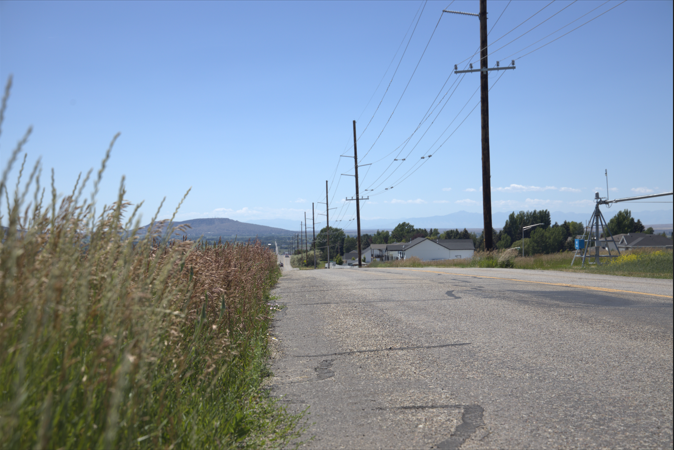
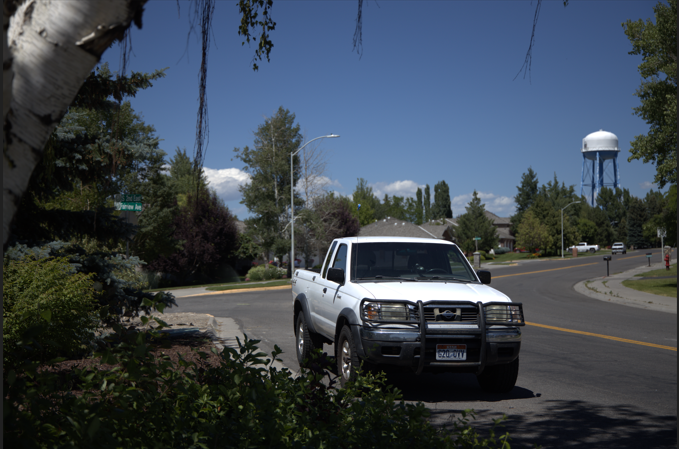
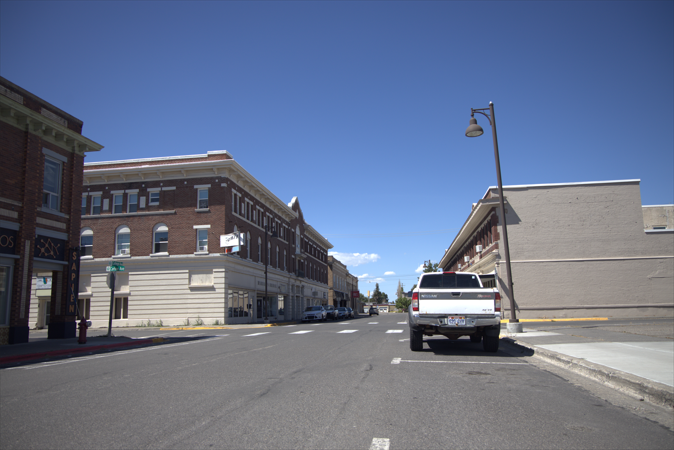
Before I involved other people and the vehicle for the photoshoot, I did a test shoot using my own vehicle. The purpose of this was to scout good locations for the ideas I sketched out, as well as to play with my camera angles and what highlighted the vehicle best.
I then discussed these drafts with my mentor, which allowed me to get some critique and feedback before the real photoshoot. My mentor recommended a place he knew that would better represent the message I wanted to share and he gave feedback on how I could arrange the text with better visual hierarchy. As much as I wanted my original ideas to be great, they can always be improved to make more sense to a larger audience.
These are some images of the locations I scouted. Later, when I got feedback from my mentor and was on location with the Camaro, I found a different street lamp that would work better.
Photoshoot time:
The Camaro for the photoshoot and the driver took me to the locations I predecided, and I took a lot of photos. Most didn’t turn out quite how I wanted; however, a few conveyed the message I wanted to share.
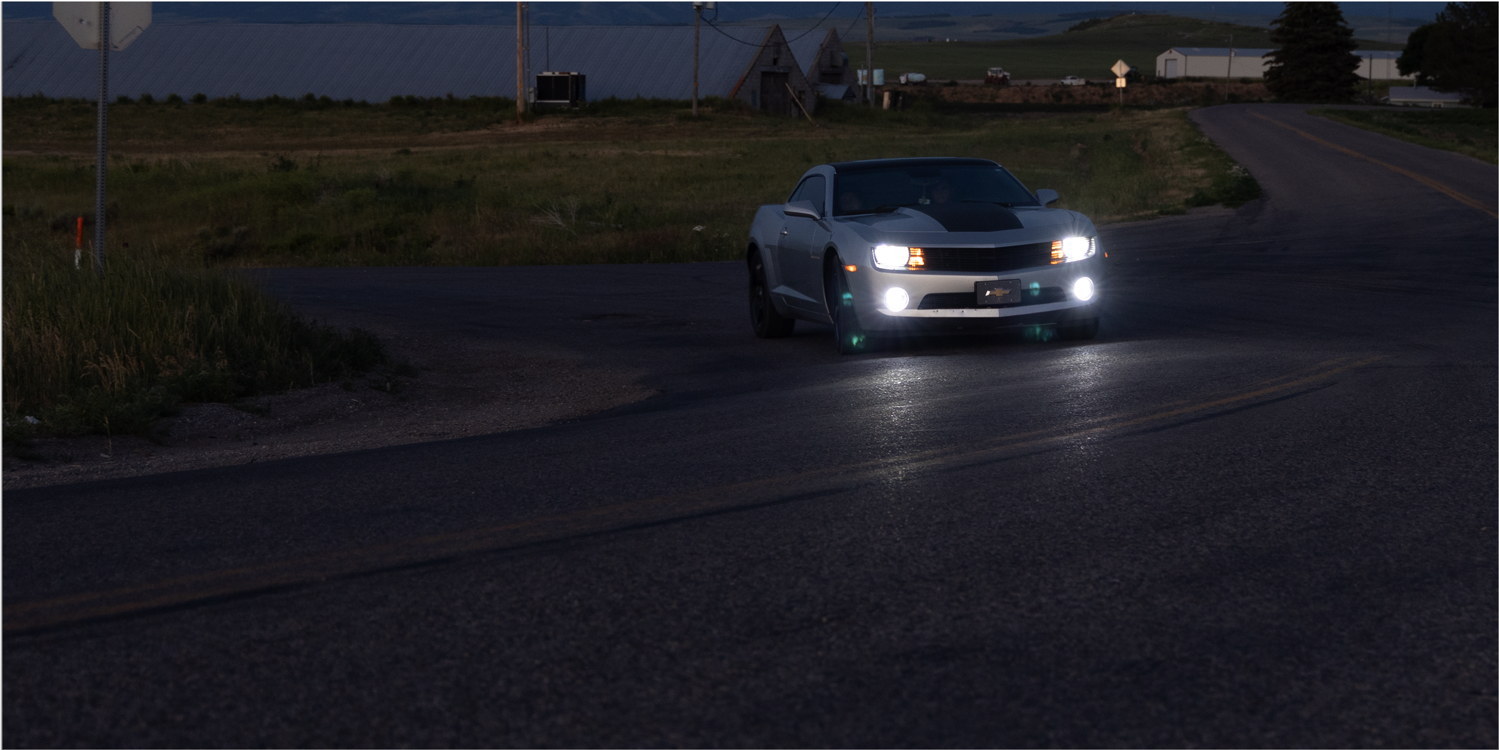
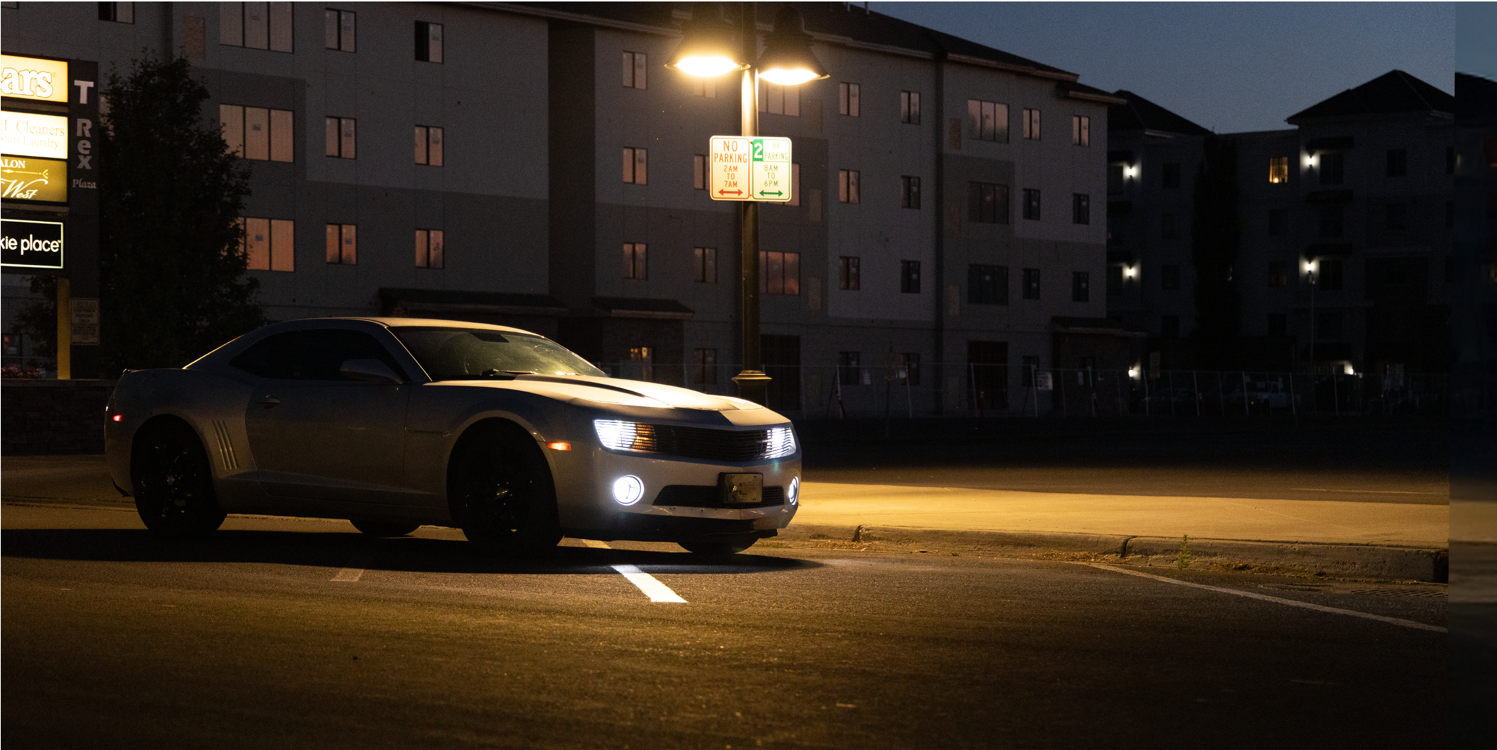
These are the photos straight out of the camera before I did any edits using Photoshop. I modified the lighting, white balance, and background by masking parts of the image to focus the viewer on what I want them to see – the vehicle.
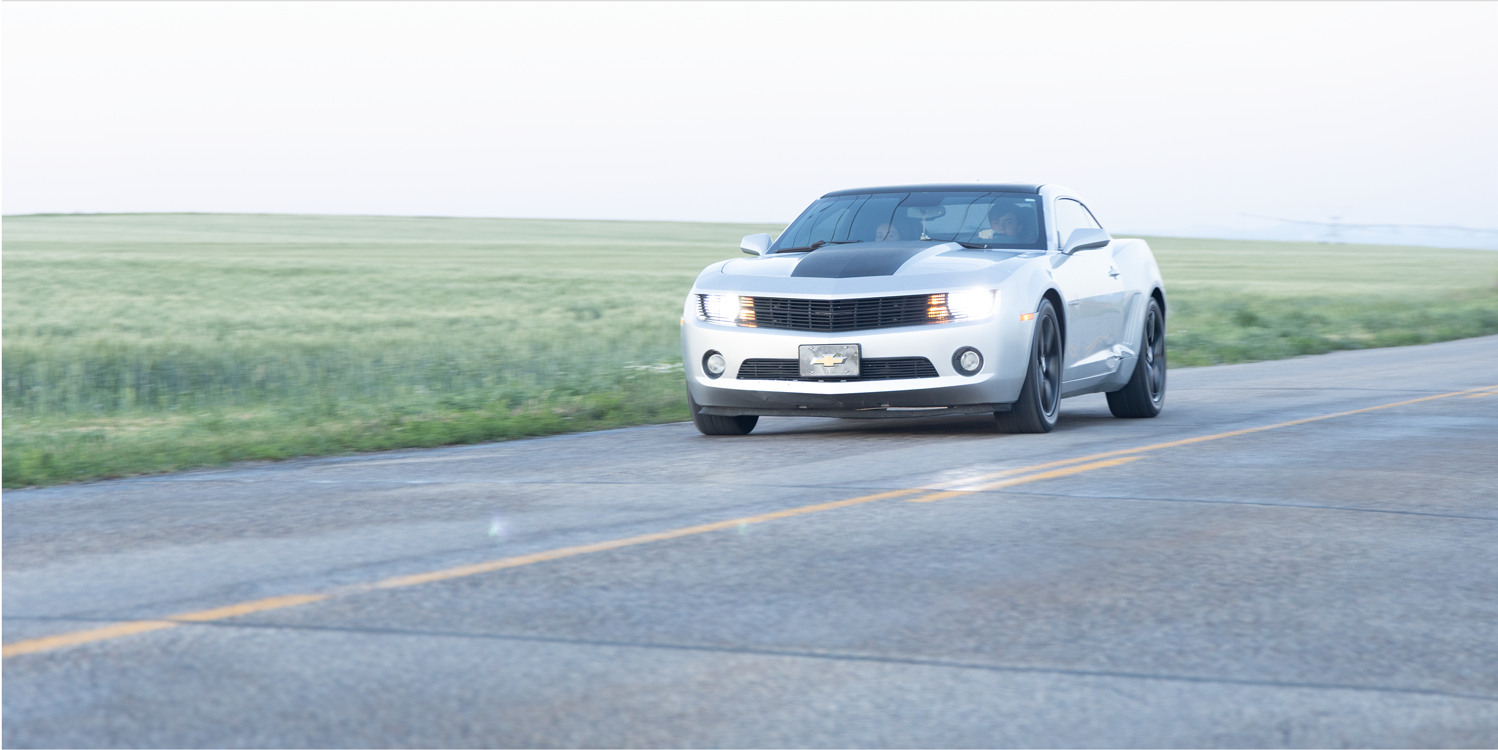
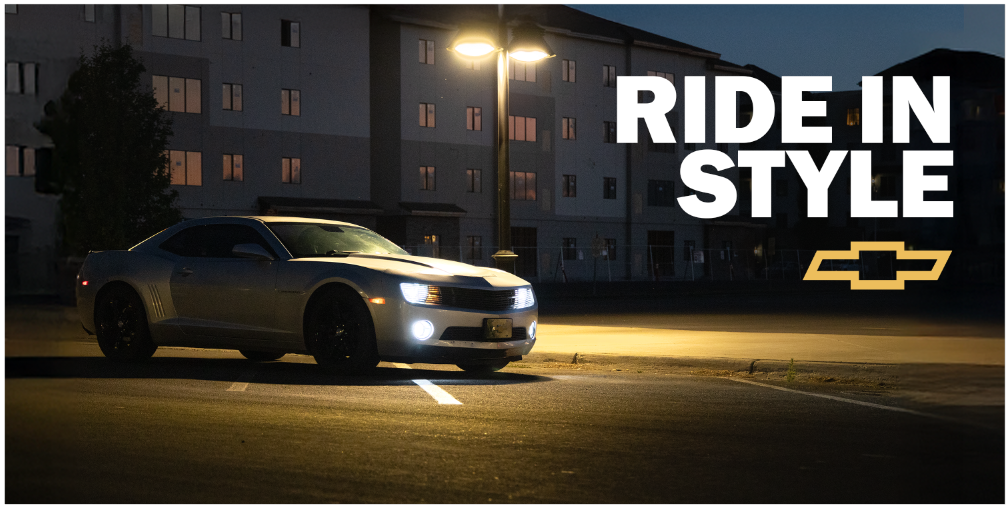
This involved removing distractions in the background and imperfections that come with working in dark areas and bright lights. These are the photos post-editing that I later worked with for the 10 different layouts.
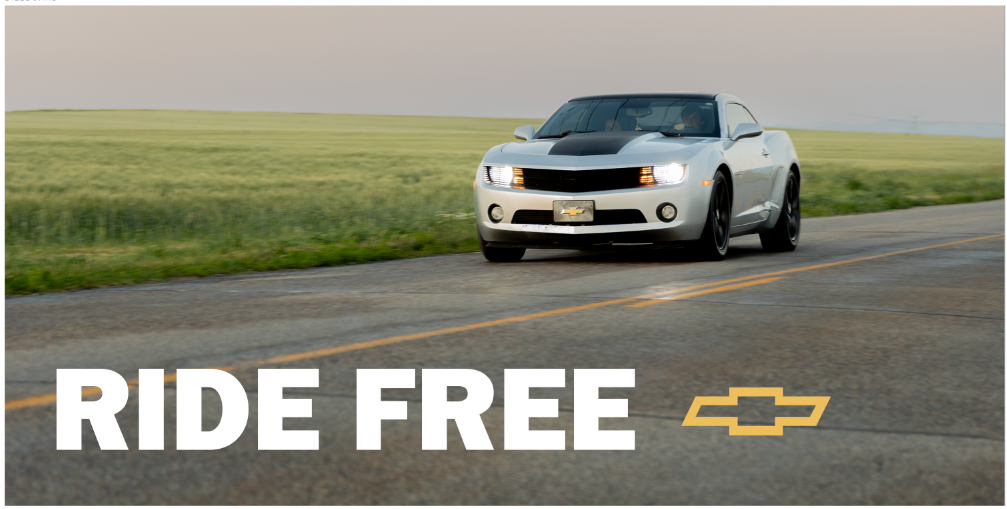
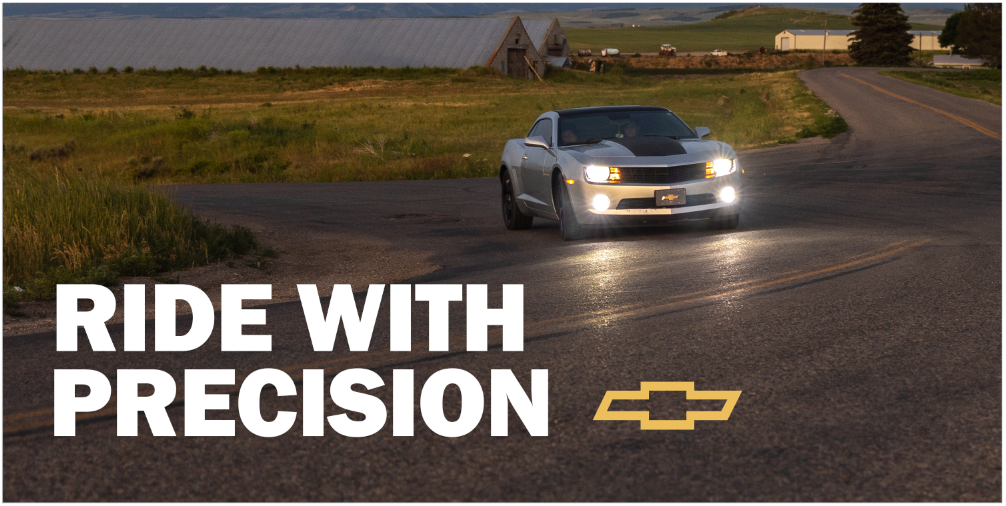
These were my top 3 photos that I focused on. Using Photoshop, I adjusted the colors and lighting to focus the subject in on the most important feature and message I aimed to share. I also added the text and logo to support the brand messaging and included a call to action.
One image with 100 uses:
One photo, carefully planned and executed, can convey more than a whole paragraph. The single photo can be modified, cropped, and used for multiple advertisements. Here it is used in 10 different layouts for website, print, and even billboards. The versatility of a single image is limitless if you have the creativity and resources to rearrange it while keeping the same message.
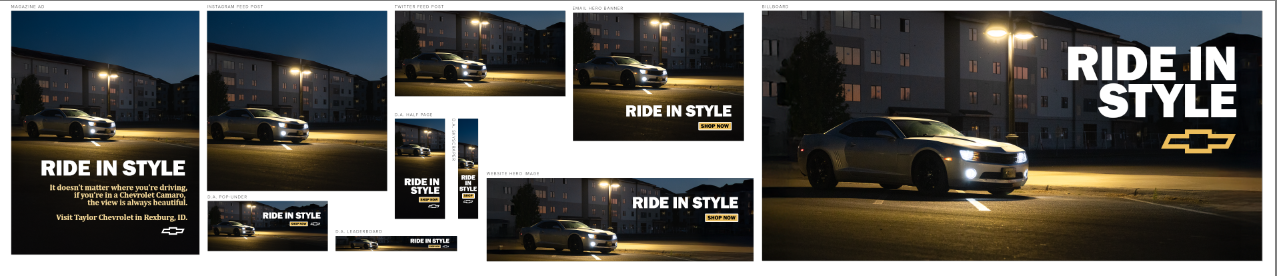
Ad campaigns are less complicated than they might seem. When you decide your messaging based on your audience, then plan, plan, plan, and execute – the finished product knows no bounds to how you can use it.
With my previous projects, I hadn’t done a test shoot before, but I think that was the secret sauce that made it so when I did the shoot for real with my people and props, I already knew exactly what I had in mind and where to go.
The finished product is something I would be proud to display and honored if I could do it for a paid position. It taught me patience to stick with the task of editing those photos, and by the end, I felt like I had mastered the art of editing those photos.
Contact me: